
How to choose bachata instructors for your festival
A practical guide for organizers: what to look at before booking a bachata instructor couple, what to ask, and which signs point to professionalism.
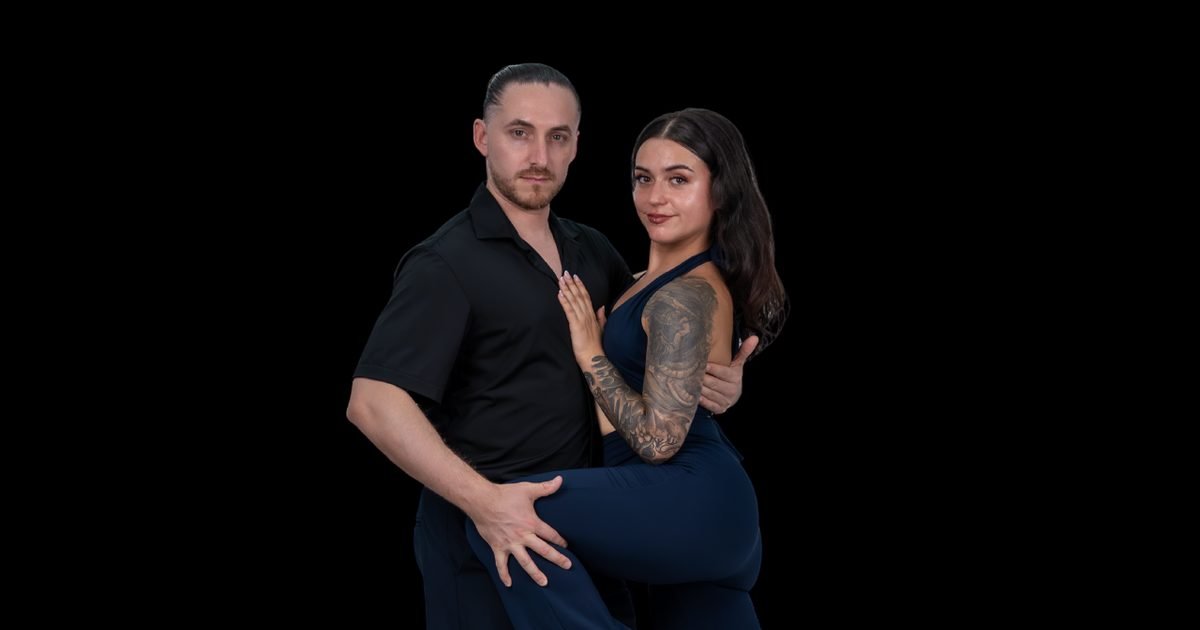
Putting together the line-up for a bachata festival is one of the decisions that shapes the attendee experience the most. A good instructor fills the room and leaves people wanting to come back next year; a poor choice leaves half-empty workshops and lukewarm comments online.
After years teaching at festivals and congresses, these are the things we see — from the other side — that separate organizers who get it right.
Look at the training, not just the follower count
Instagram followers measure reach, not teaching ability. Dancing very well and teaching very well are two different skills, and they don’t always come together.
What actually tells you something:
- Who they trained with. Training with the creators or leading figures of a style means there is a methodology behind the classes, not just intuition. If you want to understand where each style comes from, you’ll find the context in our history of bachata.
- How long they have been teaching regularly. Teaching real students every week is what sharpens your ability to explain.
- Whether they have teacher training, not just dance training.
Ask about methodology before you ask about price
A couple with real pedagogical criteria will answer these without hesitating:
- How do they structure a 60 or 90 minute class?
- How do they adapt the content if the group’s level isn’t what they expected?
- What do they do when leaders and followers are unbalanced?
- Which languages can they teach in?
That fourth question gets forgotten often and it matters enormously at international festivals. If half your audience doesn’t understand the instructor’s language, the workshop loses half its value.
Define the role precisely
“Booking a couple” can mean very different things, and that’s where most misunderstandings come from:
- Workshops: number of classes, duration and levels.
- Show: if you expect a performance, say so from the start. It needs separate preparation and usually has its own conditions.
- Teacher training: a different format, with a different focus and duration.
- Presence at the party: if you expect them to socialise with attendees, agree on it explicitly.
The more specific the brief, the fewer surprises for everyone.
Put the logistics in writing
The technical rider isn’t bureaucracy: it’s what stops a speaker from being missing on the day, or the room having an unsuitable floor. Before closing the deal you should have in writing the space and flooring, the sound system and microphones, accommodation and travel, and the payment schedule.
Watch for red flags
Some signs are worth not ignoring: vague answers about methodology, refusing to commit to a rider, having no promotional material available (photos and bio), or changing the terms after the fee was agreed.
Timing matters
Our recommendation is to get in touch 2-3 months ahead, especially in high season, and confirm at least 30 days before the event. That margin leaves time to coordinate flights, accommodation and promotion — which is exactly what fills a workshop.
Organizing a festival or congress? You can check our availability and get in touch from the booking page. We reply within 24-48 hours.